
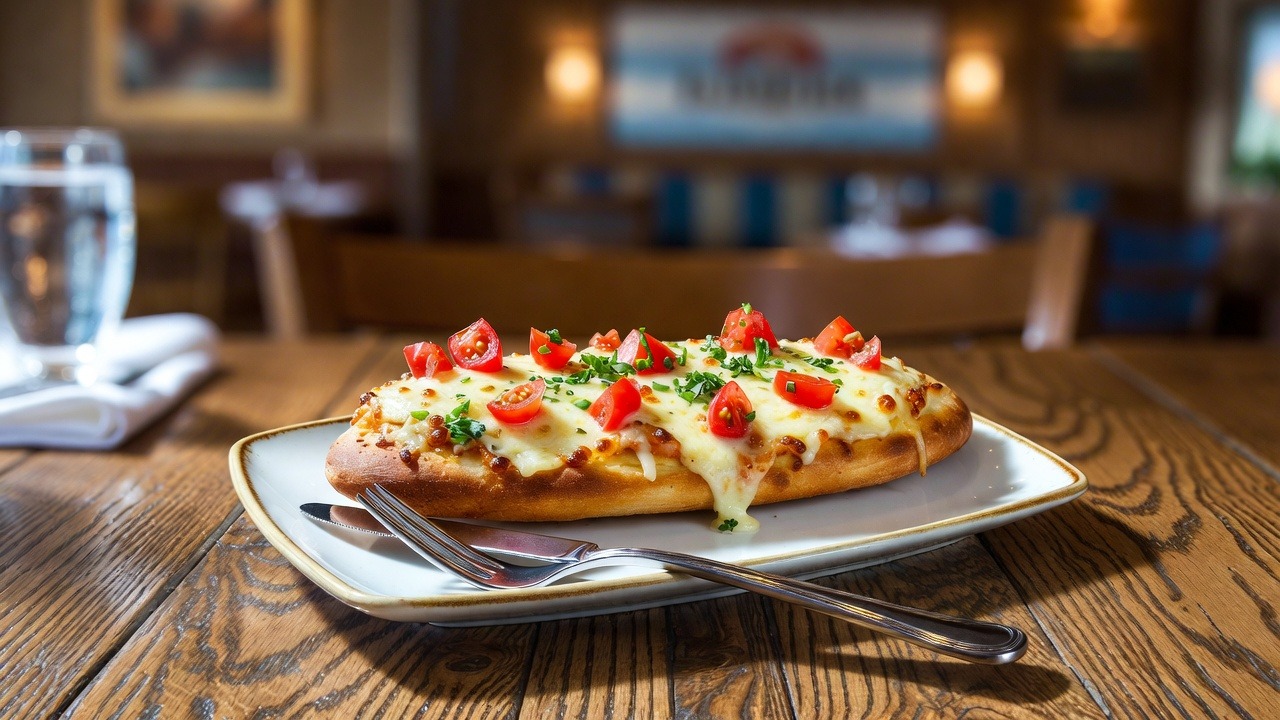
Red Lobster Flatbread has emerged as a popular menu item for diners seeking something lighter yet flavorful. With its thin, crispy crust and seafood-inspired toppings, it stands apart from heavier fried appetizers. Many customers are interested in learning more about its price, calories, nutrition, and allergens before ordering. This article provides a detailed and informative breakdown to help diners make confident choices.
Red Lobster Flatbread
Red Lobster Flatbread is part of the restaurant’s appetizer-focused offerings designed for sharing and variety. Unlike traditional pizzas, this flatbread features a thinner base that allows toppings to shine without feeling overly filling. It fits well into Red Lobster’s seafood-forward identity while still appealing to guests who want something familiar. The flatbread is often sliced into small portions, making it ideal for group dining. Its balance of crisp texture and rich toppings has contributed to its growing popularity.
What Is Red Lobster Flatbread?
Red Lobster Flatbread is a baked, thin-crust dish topped with cheese, sauces, and carefully selected ingredients. It is not meant to replace a full entrée but instead complements the meal as a starter or shared plate. The crust is designed to be crisp yet sturdy enough to hold toppings. Compared to heavier appetizers, it feels lighter while still delivering bold flavor. This makes Red Lobster Flatbread a versatile option for many dining occasions.
Popular Red Lobster Flatbread Varieties
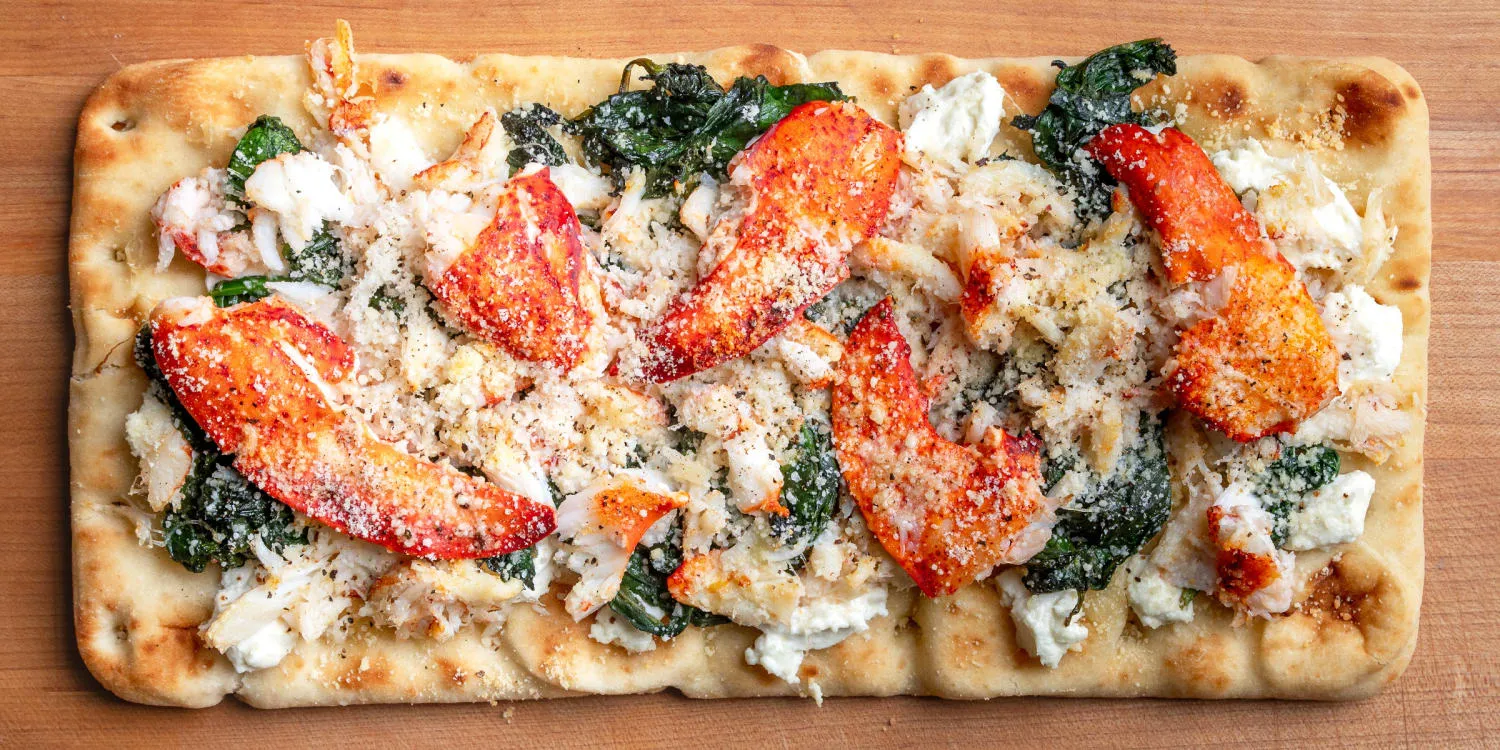
Lobster & Langostino Flatbread
Lobster & Langostino Flatbread is one of the most recognized options on the menu. It features tender lobster and langostino pieces layered across a crisp flatbread base. Cheese and a light sauce help bind the toppings together without overpowering the seafood. The result is a balanced flavor that highlights the natural sweetness of the lobster. This Red Lobster Flatbread variety is often chosen by diners looking for a premium appetizer experience.
Shrimp Flatbread
Shrimp Flatbread offers a more approachable seafood flavor while still staying true to Red Lobster’s identity. Seasoned shrimp are distributed evenly across the flatbread, paired with melted cheese and sauce. The shrimp add protein and texture without making the dish feel heavy. The thin crust maintains crispness throughout the meal. This Red Lobster Flatbread option is popular among shrimp lovers.
Cheese-Focused Flatbread Options
Some Red Lobster Flatbread varieties focus primarily on cheese and herbs rather than seafood. These versions emphasize comfort and richness while still benefiting from the crisp flatbread base. Melted cheese spreads evenly, creating a consistent bite. While lighter on seafood, they remain flavorful and satisfying. These options appeal to diners who prefer non-seafood starters.
Limited-Time and Seasonal Flatbreads
Red Lobster occasionally introduces limited-time flatbread options tied to promotions or seasonal ingredients. These flatbreads may feature unique sauces or seafood combinations. Availability can vary by location and time of year. Pricing and nutrition details may differ from standard menu items. Limited-time Red Lobster Flatbread selections often attract repeat customers.
Red Lobster Flatbread Price Overview
The price of Red Lobster Flatbread generally falls within the mid-range appetizer category. Seafood-topped flatbreads are typically priced higher due to ingredient costs. Portion size plays an important role in perceived value. Prices may vary slightly depending on restaurant location. Overall, Red Lobster Flatbread is considered a fair-priced shareable dish.
Factors That Affect Flatbread Pricing
Seafood availability strongly influences menu pricing. Ingredient quality and preparation methods also affect cost. Regional operating expenses can cause slight price variations. Promotional offers may temporarily change pricing. These factors together determine the final cost of Red Lobster Flatbread.
Value Perception Among Diners
Many diners view Red Lobster Flatbread as good value due to portion size and ingredient quality. The inclusion of seafood enhances its premium feel. Sharing reduces individual cost and calorie intake. Compared to fried appetizers, it feels more refined. This perception supports its continued popularity.
Portion Size and Serving Style
Red Lobster Flatbread is typically served sliced into several shareable pieces. One flatbread can comfortably serve two to three people as an appetizer. It is often ordered alongside soups, salads, or other starters. The thin crust prevents the dish from feeling overly heavy. This serving style encourages social dining.
Red Lobster Flatbread Calories Overview
Calories in Red Lobster Flatbread vary depending on toppings, cheese, and sauces. Seafood options usually contain moderate calories compared to fried items. Cheese-heavy flatbreads increase calorie content. The thin crust helps keep carbohydrates in check. Overall, Red Lobster Flatbread offers a lighter alternative within the appetizer menu.
Calories by Flatbread Type
Lobster-based flatbreads generally contain higher calories due to seafood and cheese. Shrimp flatbreads fall into a moderate calorie range. Cheese-focused options may have higher fat content. Portion size plays a major role in total intake. Sharing helps manage calories.
Calories Per Slice Versus Full Flatbread
Nutrition information often reflects the entire flatbread rather than individual slices. A single slice contains significantly fewer calories. Eating the whole flatbread alone increases intake quickly. Understanding this distinction helps diners make informed choices. Portion awareness is key.
Detailed Nutritional Profile
Red Lobster Flatbread provides a mix of macronutrients designed for flavor and satisfaction. Protein comes primarily from seafood and cheese. Fat content varies depending on cheese and sauce quantity. Carbohydrates are present mainly in the crust. Overall nutrition supports indulgence rather than strict dieting.
Macronutrient Breakdown
| Protein | 18–22 grams per serving, mainly from lobster and cheese |
| Carbohydrates | 40–50 grams from the flatbread crust |
| Fats | 20–25 grams, with 8–10 grams saturated fat from cheese and butter |
Sodium, Cholesterol, Fiber, and Sugar
| Sodium | 800–1000 mg, primarily from seafood and seasoning |
| Cholesterol | 50–70 mg |
| Fiber | 2–4 grams, mostly from crust |
| Sugar | 5–7 grams from cheese and sauce |
Note Values may vary depending on toppings and preparation.
Polished Nutrition Table
| Nutrient | Amount (Per Serving) |
| Calories | 800 |
| Total Fat | 20–25 g |
| Saturated Fat | 8–10 g |
| Cholesterol | 50–70 mg |
| Sodium | 800–1000 mg |
| Carbohydrates | 40–50 g |
| Fiber | 2–4 g |
| Sugar | 5–7 g |
| Protein | 18–22 g |
Protein and Fat Content
Seafood toppings supply lean protein. Cheese contributes both protein and fat. Saturated fat levels depend on dairy use. Fat enhances flavor and texture. Moderation helps maintain balance.
Vitamins and Minerals
Seafood contributes minerals such as zinc and selenium. Cheese provides calcium and phosphorus. Herbs may add small antioxidant benefits. Sodium content is notable. Nutritional benefits vary by flatbread type.
Sodium Content and Health Impact
Red Lobster Flatbread contains moderate to high sodium levels due to cheese and seasoning. Sodium enhances taste and shelf stability. High sodium intake may concern some diners. Drinking water alongside the meal can help. Those on low-sodium diets should be cautious.
Is Red Lobster Flatbread a Healthier Choice?
Compared to fried appetizers, Red Lobster Flatbread is generally lighter. It offers controlled portions and protein from seafood. However, fat and sodium levels remain significant. It works best as a shared starter. Balanced meal choices improve overall nutrition.
Red Lobster Flatbread Allergen Information
Red Lobster Flatbread contains several common allergens. Wheat is present in the crust. Dairy is found in cheese and sauces. Seafood versions include shellfish. Soy may appear in seasonings.
Allergen Presence by Flatbread Variety
Seafood flatbreads contain shellfish allergens. Cheese-based flatbreads contain milk. All flatbreads contain wheat. Cross-contact is possible. Allergy awareness is essential.
Cross-Contamination Considerations
Red Lobster kitchens handle multiple allergens daily. Shared ovens and prep surfaces increase risk. Complete separation is difficult. Guests with allergies should notify staff. Absolute allergen safety cannot be guaranteed.
Gluten-Free and Allergy-Friendly Considerations
Red Lobster Flatbread is not gluten-free due to its crust. Gluten-free alternatives are generally unavailable. Dairy-free options are limited. Shellfish-free versions may still face cross-contact. Communication with staff is critical.
Ingredients Used in Red Lobster Flatbread
Common ingredients include flatbread dough, cheese blends, seafood, and sauces. Dough is prepared for crisp baking. Seafood may be fresh or frozen. Cheese ensures consistent melting. Seasonings balance flavors.
Customization and Modification Options
Customization options for Red Lobster Flatbread are limited. Some ingredient removals may be allowed. Sauce adjustments are uncommon. Portion sharing remains the best modification strategy. Flexibility varies by location.
Red Lobster Flatbread and Special Diets
Keto and Low-Carb Diets
Red Lobster Flatbread is not ideal for strict keto diets. The crust contributes carbohydrates. Seafood toppings fit keto guidelines. Avoiding the crust reduces carb intake. Not fully keto-friendly.
High-Protein Diet Compatibility
Seafood toppings provide quality protein. Cheese adds moderate protein. Protein levels are not sufficient alone. Works best as a supplement. Pairing with lean entrées helps.
Low-Sodium Diet Concerns
Sodium content may be high. Cheese and sauces contribute salt. Modifications are limited. Low-sodium diners should be cautious. Alternative menu items may be better.
Taste and Customer Feedback
Customers often praise the crisp texture of Red Lobster Flatbread. Flavor balance receives positive reviews. Seafood quality is frequently highlighted. Some mention saltiness. Overall satisfaction remains strong.
Best Occasions to Order Red Lobster Flatbread
Red Lobster Flatbread works well for casual dining. It is ideal for group meals and celebrations. Many order it during happy hour or as a starter. It pairs well with soups and salads. Its versatility adds to its appeal.
Best Pairings With Red Lobster Flatbread
Flatbread pairs well with lighter salads. Soups complement its crisp texture. Seafood entrées balance flavors. Non-alcoholic beverages help manage sodium. Pairing thoughtfully enhances enjoyment.
Takeout and Delivery Experience
Red Lobster Flatbread travels reasonably well. The crust may soften slightly during transit. Reheating restores crispness. Portion size remains consistent. Delivery prices may be higher.
Storage and Reheating Tips
Leftover flatbread should be refrigerated promptly. Reheating in an oven preserves texture. Microwaving softens the crust. Consume within one day. Quality may change slightly.
Homemade Flatbread Inspired by Red Lobster
Homemade versions allow ingredient control. Healthier crusts can be used. Costs are typically lower. Flavors can be customized. Preparation requires time.
Frequently Asked Questions (FAQs)
Is Red Lobster Flatbread an appetizer or entrée?
It is primarily served as an appetizer or shared plate.
Does Red Lobster Flatbread contain shellfish?
Seafood versions do contain shellfish.
Is Red Lobster Flatbread spicy?
Most versions are mild in flavor.
Are nutrition values exact?
Values are estimates and may vary by location.
Conclusion
Red Lobster Flatbread offers a lighter yet flavorful alternative to heavier appetizers. Its crisp crust and seafood-inspired toppings appeal to a wide range of diners. While allergens and sodium should be considered, it fits well into shared dining. Enjoyed in moderation, Red Lobster Flatbread adds variety and balance to the menu.